
Black-eyed Susan

Scientific name: Rudbeckia hirta



School Related Observations:
What will students see and experience?
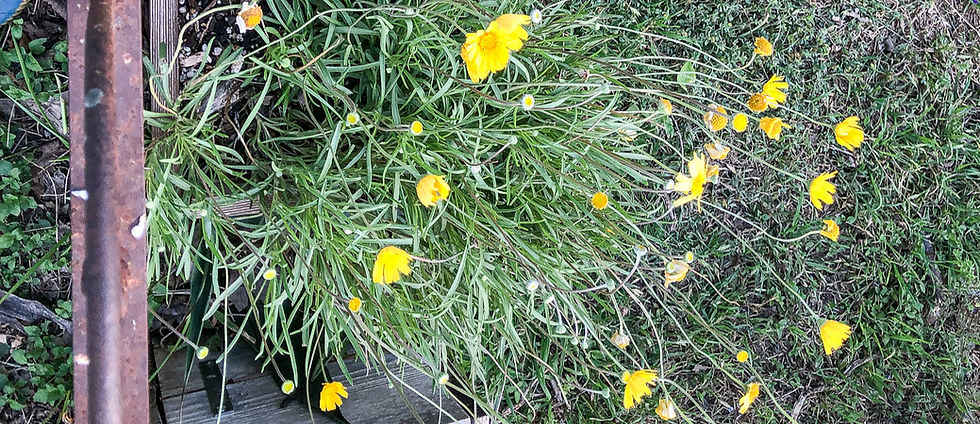
When does it flower? Flowers June through September with bright yellow-orange daisy-like flowers. (when there is adequate moisture).
Is it deciduous or evergreen? Deciduous
Is this plant a sensory plant? Yes, black-eyed Susan is considered a sensory plant for sight and touch. The bright yellow-orange petals with a dark brown or black center create a strong visual contrast. The stems are stiff and hairy with slightly coarse leaves, giving a tactile variety in a sensory garden.
What pollinators are attracted to this plant? Black-eyed Susan is especially valuable for attracting bees and butterflies, but also supports other pollinators like beetles, moths, and seed-eating birds. The open, daisy-like blooms make it accessible to a wide range of insects.
Educational Outcomes:
Trichomes on leaves deter herbivores. It is a host plant and wildlife attractor. Cheery yellow blooms are welcoming and inspiring in an educational garden. Seeds can be collected for propagation.
Things to Consider Before Planting Black-eyed Susan:
Size: 3’ tall by 2’ wide.
Toxicity: Non-toxic to humans and pets. Pollen may trigger mild allergic reactions to sensitive individuals.
Location: Plant in an area receiving 6-8 hours of sunlight with well-draining soil. Space plants 12-24-inches apart to allow air circulation. Can be planted in perennial borders, pollinator gardens, meadows, and containers (if well-drained).
Invasiveness: Non-invasive.
Heat Tolerance: High
Planting time: Early Spring after the last frost or early fall.
Special Notes: Black-eyed Susan is a short-lived perennial or biennial in many regions but often reseeds easily. Deadheading can extend the bloom season significantly. Considered a habitat restoration plant. The plants root system helps to prevent soil erosion.
Black-eyed Susan seedlings


Comments