
Flame Acanthus

Scientific name: Anisacanthus wrightii



School Related Observations:
What will students see and experience?
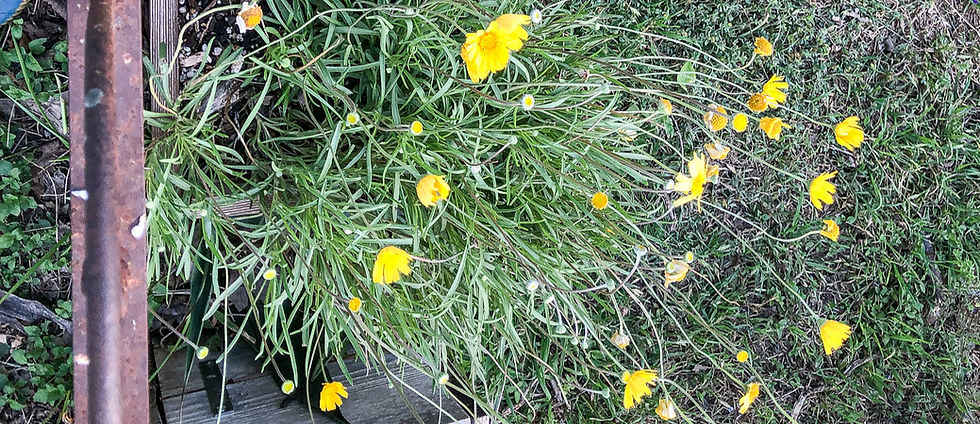
When does it flower? Flowers June-November.
Is it deciduous or evergreen? Deciduous
Is this plant a sensory plant? Yes, flame acanthus can be considered a sensory garden plant, especially for visual, tactile, and pollinator focused experiences.
What pollinators are attracted to this plant? Serves as a host plant and nectar source attracting hummingbirds, bees, and butterflies.
Educational Outcomes:
Flame acanthus plays several important ecological and horticultural roles in the Texas landscape, especially in its native range of west and south-central Texas. It is a heat and drought tolerant shrub valued for its wildlife benefits and landscaping utility. Students can observe the pollination biology, life cycle of a deciduous perennial, and ecosystem biodiversity. Flame Acanthus is an ideal teaching tool for water conservation, adaptability, and native vs. invasive.
Things to Consider Before Planting Flame Acanthus:
Size: 3’- 5’ tall by 3’- 4’ wide.
Toxicity: Non-toxic
Location: Choose an area with full sun, space for shrubs to expand, or large containers.
Invasiveness: Non-invasive
Heat Tolerance: High
Planting time: Spring after last frost and early fall for warm climates.
Special Notes: Drought and cold tolerant shrub that will adapt to a variety of soils and does well in patio pots. As with many other xeric plants, rain, and heat triggers bloom.


Comments